
DELMIA Machining - CAM Software for CNC Programming
Simulate and validate CNC programs so your machine can produce rather than correct
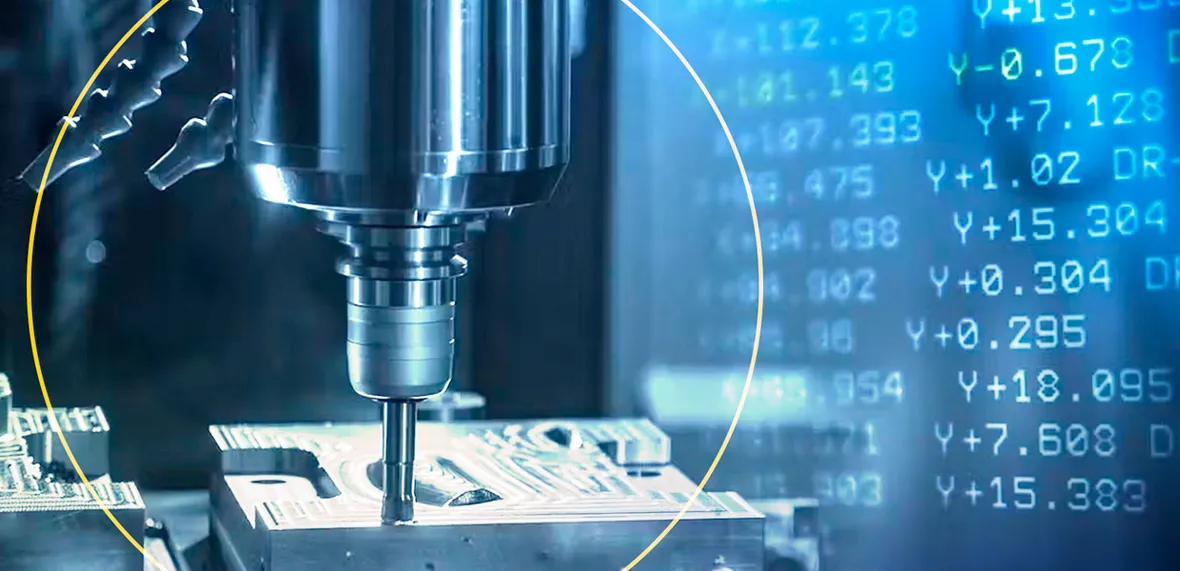
In NC programming, errors often don’t become apparent until machine time has already started to cost money: in the form of collisions, time-consuming rework, or design changes that haven’t been incorporated into existing programs.
DELMIA Machining, the CAM software from Dassault Systèmes, shifts this verification process to virtual manufacturing. You can program, simulate, and validate milling, turning, mill-turn, and multi-axis processes in a fully integrated 3D simulation of the entire machining process—including the tool assembly, NC machine, and control system—before production begins. If the design changes, the impact is immediately visible, and the program can be updated before the error is detected on the machine. On the 3DEXPERIENCE platform, NC programs, templates, and manufacturing knowledge are centrally managed, reused, and made available across teams—as a database rather than scattered files.
CENIT supports implementation, integration, and migration all the way through to productive use.
What is DELMIA Machining?
DELMIA Machining is Dassault Systèmes’ CAM software on the 3DEXPERIENCE platform. It generates, simulates, and validates NC programs for machining—from 2.5-axis to multi-axis machining, including milling, turning, and mill-turn operations.
The difference from traditional CAM systems lies in the data foundation: programs, tools, machining templates, and manufacturing knowledge are stored centrally in a single database rather than in scattered files—versioned and accessible across teams. Because CAD, CAM, and manufacturing are all on the same platform, NC programming is part of a seamless workflow from design to the machine, and post-processor execution is integrated rather than handled via separate interfaces.
See what DELMIA Machining can do for your manufacturing—right on your own part.
What DELMIA Machining includes
DELMIA Machining covers the full range of machining operations in a single environment—from milling to robotic machining.
Milling
2.5- to 3-axis machining with toolpaths for prismatic and curved surfaces
Reuse proven machining operations as templates instead of reprogramming similar parts from scratch
Multi-axis/5-axis machining
Complex geometries in a single setup, using simultaneous 5-axis strategies
Fewer setup changes—fewer sources of error and shorter cycle times
Turning & Milling
Turning and milling operations in a single setup and program
Complete machining on turn-mill centers, without changing programs
Wire EDM
NC Programming for Wire Cutting in the Same Environment
No need to switch systems, no separate tool for wire EDM
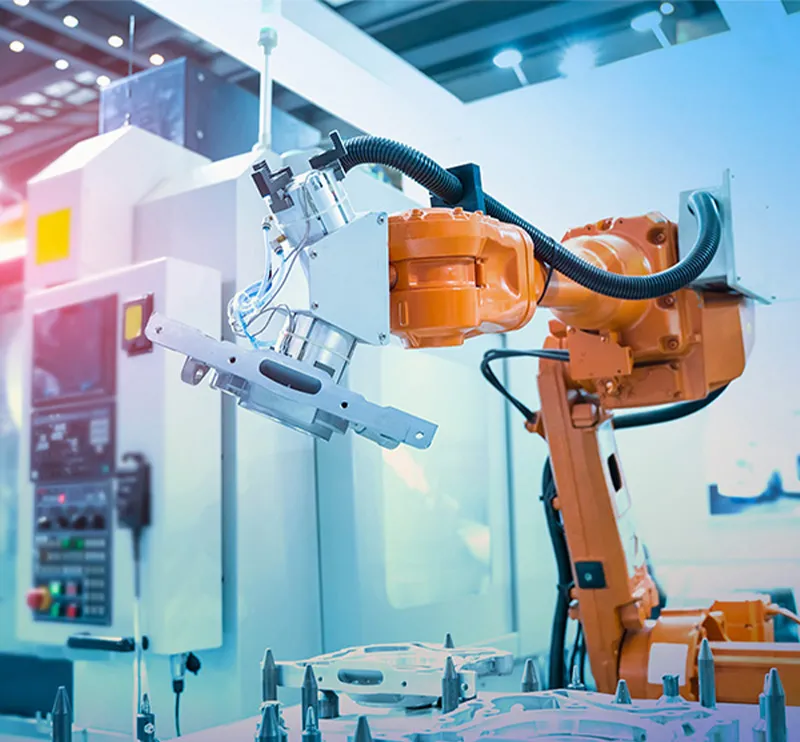
Machining with Robots
Milling with Industrial Robots
The toolpath is generated using the same milling operations and is transferred to the robot.
Robot-specific safety checks: Reach, joint limits, and singularities are simulated and corrected before the robot program is generated.
CAD-CAM Integration—a Single Data Set from Design to Machine
In file-based CAM environments, the design is separate from the program: A modified part means that someone has to locate the corresponding NC program, check it, and update it manually—often too late. On the 3DEXPERIENCE platform, the CAD model, CAM program, and manufacturing data are all contained within a single data model. NC programming accesses the design geometry directly, rather than an exported copy.
MBOM
Derive the production bill of materials from the design structure instead of entering it from scratch
Process Plan
Operations, Routings, and Scheduling, Validated in 3D
Work Instructions
Created using 3D technology, distributed electronically, and kept up to date on the shop floor
NC-Program
programmed and simulated before the first chip is cut
Robot Program
Created offline, virtually validated, and handed over after calibration
This single database runs throughout the entire manufacturing process: the manufacturing bill of materials, process plan, work instructions, NC program, and robot program all access the same model, rather than being transferred via files and interfaces. This keeps changes manageable—if a component is changed, it is clear which steps are affected, and the NC program can be updated specifically. Manufacturing knowledge remains in the database rather than in individual files.
AI in DELMIA Machining – LEO makes suggestions; you decide
LEO is the virtual companion of the 3DEXPERIENCE platform. In day-to-day manufacturing, your company’s experiential knowledge becomes an active tool: LEO draws on past industrialization projects and proven programs to suggest solutions—you provide the technical expertise, and LEO provides the accessible memory of past projects.
LEO takes care of the repetitive manual steps. This frees up resources needed for strategies and decisions that drive improvement and innovation. Two videos show where this collaboration is already making a difference today.
Deriving the production bill of materials from the design is a hidden bottleneck today: it involves a lot of manual checking, item by item—and the greater the time pressure, the more likely it is that gaps will arise that aren’t noticed until production begins. In the video, LEO proposes the manufacturing structure based on previous industrialization projects. The process planner makes adjustments and approves it—the derivation, which would otherwise take days, becomes a verified intermediate step, and the industrialization process continues rather than stalling here.
Your benefits:
- MBOM proposal at the click of a button instead of manually, item by item
- Proven industrialization knowledge is reused, not reinvented
- Fewer overlooked or inconsistent manufacturing decisions
- Up to 95% less effort required for creating and maintaining the MBOM
- Up to 25% shorter industrialization time
Simulation and Validation—Before the Machine Runs
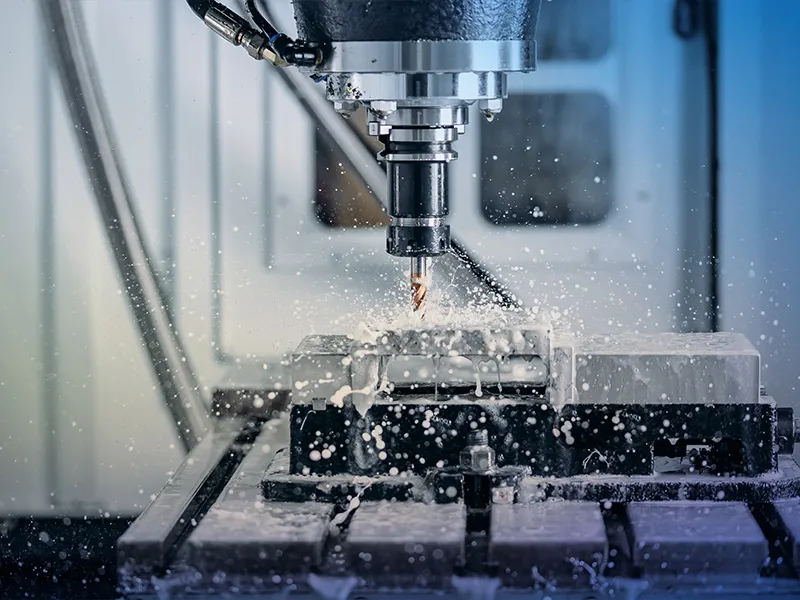
DELMIA Machining simulates toolpaths, material removal, and the entire machine, including its control system. Collisions and critical movements are detected in the model, not on the machine—this lays the foundation for focusing on the main task in manufacturing: production.
For independent NC code verification against actual machine and control behavior—beyond the integrated simulation—as well as for machine-specific postprocessors, fastPOST, a solution from the CENIT product family, delivers the necessary capabilities.
What Our Customers Say
Try DELMIA Machining with 2–3 of your own parts
As a concrete assessment of your readiness for the transition
Let's shape your digital future together.

Lasetzki Contact me now
Senior Account Manager Manufacturing
CENIT AG